


Maus Robotics receives CHF 40,000 from Venture Kick to scale autonomous fresh food deployments
03.03.2026
Maus Robotics receives CHF 40,000 from Venture Kick to scale its autonomous fresh-food vending robots. Following successful real-world pilots, the company is transitioning from prototype to product, preparing permanent installations of its crêpe-making robots and advancing toward continuous, scalable operations.
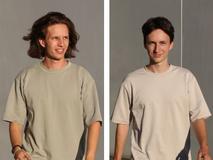 CEO Robert Hennig, COO Marten Hennig
|
 |
What was the first real signal that your solution worked outside the lab or pitch deck, and what did that moment change for you?
The real signal came during our pilot week at Café Kafka in Basel. In just 45 minutes, 11 people ordered a crêpe from our autonomous robot, choosing toppings, paying, watching it cook live, and enjoying it 90 seconds later.
When we walked in and saw smiling faces and our crêpes on the tables, it clicked. People weren’t just curious, they were genuinely buying and enjoying it. That moment shifted us from “interesting prototype” to “this works in the real world.”
Can you briefly describe your project and where it stood when you entered Venture Kick?
When we entered Venture Kick, we had a first working prototype: a compact robot that prepares fresh crêpes from raw ingredients in 90 seconds.
Our vision is that robotics will increasingly shape everyday life, and we believe fresh food preparation at the point of consumption is next. Maus Robotics builds autonomous vending machines that prepare fresh food instead of dispensing packaged snacks. At that stage, we had proven technical feasibility and started validating demand through real-world events.
How has the direction of your product/service/product strategy changed since working with the Venture Kick Team?
Our strong prototype evolved into a product, customers are ready to buy.
We made the system more robust and autonomous, filed a patent, and moved from event demos to full operational deployments, including a week-long run. That helped us validate not just the technology, but also demand, hygiene, logistics, and daily operations. The focus shifted from “Can we build it?” to “Can we run and scale it reliably?”
How will the Stage 2 funding help you advance your project concretely?
Stage 2 funding allows us to build multiple robots and move from pilots to permanent installations.
We’re moving into a new workspace, hiring engineers, and industrializing the system. The goal is to deploy our first cluster of Crêpe Robots in Basel and operate them continuously a key step to validate the business model and prepare for scaling.
